
Video by Case Films
Sweet Berry Farm is a sacred landmark grounded in responsible stewardship - where caring for the land, nurturing community, and generations intertwine. Through regenerative farming that restores our soil and honors our island roots, we will preserve this working farm as a resilient oasis for generations.
We envision a place where every element works in harmony to create meaningful experiences beyond transactions—where seasonal workers grow into agricultural advocates, families slow down to reconnect with nature, and students learn the value of sustainable food systems.
As a hub for the local ecosystem, we will support regional growers while creating a destination that nourishes body and soul. Through intentional growth that honors our natural environment, Sweet Berry Farm will demonstrate that beautiful progress and agricultural conservation can bloom together, ensuring this land remains a gathering place where the community learns, connects, and thrives for decades to come.
What’s To Come…
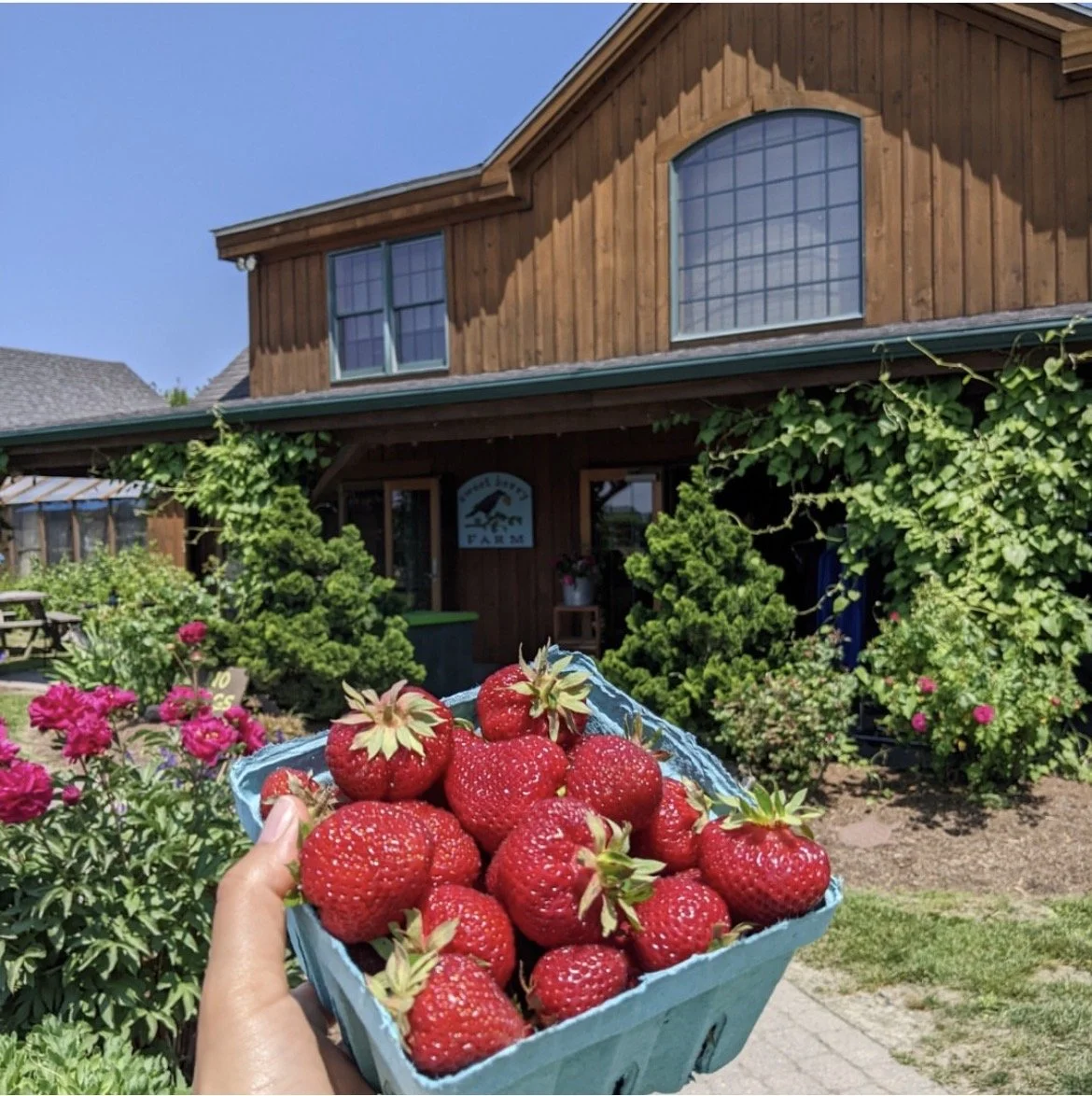
Our upcoming initiatives focus on expanding regenerative farming, community programming, and on-farm production. Plans include renovating and expanding Pick-Your-Own fields, increasing vegetable production, improving soil health and watershed outcomes, and growing our floral program. We will also expand farm-to-fork and value-added offerings, continue seasonal events and educational partnerships, and strengthen land stewardship efforts through invasive species removal and collaborations with local conservation organizations.
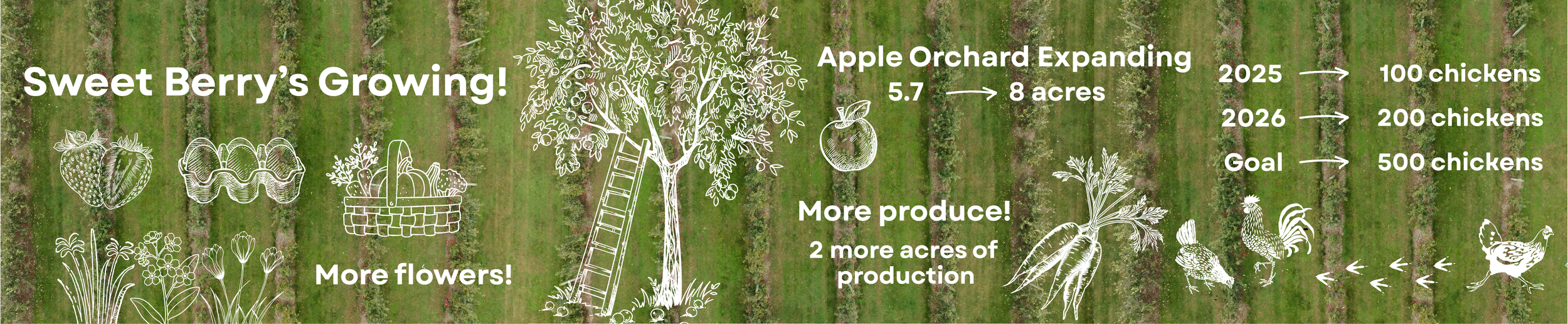
We are committed to steadily increasing the amount of land in cultivation each year, with the goal of significantly expanding our operations. The Eckharts previously farmed approximately 19 acres; for the 2026 season, we have expanded that to 22 acres. In Jan’s retirement we have hired three farmers to take on his responsibilities and to help grow our farming operations. This growth is guided by a long-term vision of responsible stewardship, ensuring the land remains productive and sustainable for generations to come.
Locally Grown Food
Supporting local farms means investing in the health of our entire community. By growing food in nutrient-dense soil, we’re able to produce healthier, more nourishing food from the ground up. And when that food is grown locally, it becomes easier for our community to access while directly supporting the farmers who live and work right here. Healthier soil, stronger farms, and more accessible local food all work together to create a more resilient and connected community.
Our Orchards
Our apple orchards are truly the heart and soul of Sweet Berry Farm, holding generations of memories for our community. In 2025, we partnered with Matt Kiminsky of Gnarly Pippins to help oversee and guide the future of our orchard program with expert care and vision. With his leadership, we are actively investing in the orchard’s long-term health and vitality—expanding plantings, improving stewardship practices, and ensuring that this cherished landscape continues to grow and thrive for years to come.
We currently have just under 3,700 apple trees.
These are dwarf trees—not traditional New England varieties—and they have a lifespan of approximately 15 to 25 years. The vast majority of our trees were planted before 2000, meaning many are past their most productive years.
Over the next 5 to 10 years, we will need to replace the orchard in its entirety. Approximately 1,100 new trees are scheduled for delivery in May 2026.
We plan to expand to 5,000 and 6,000 trees over the next 5 to 7 years.

Vegetable Production
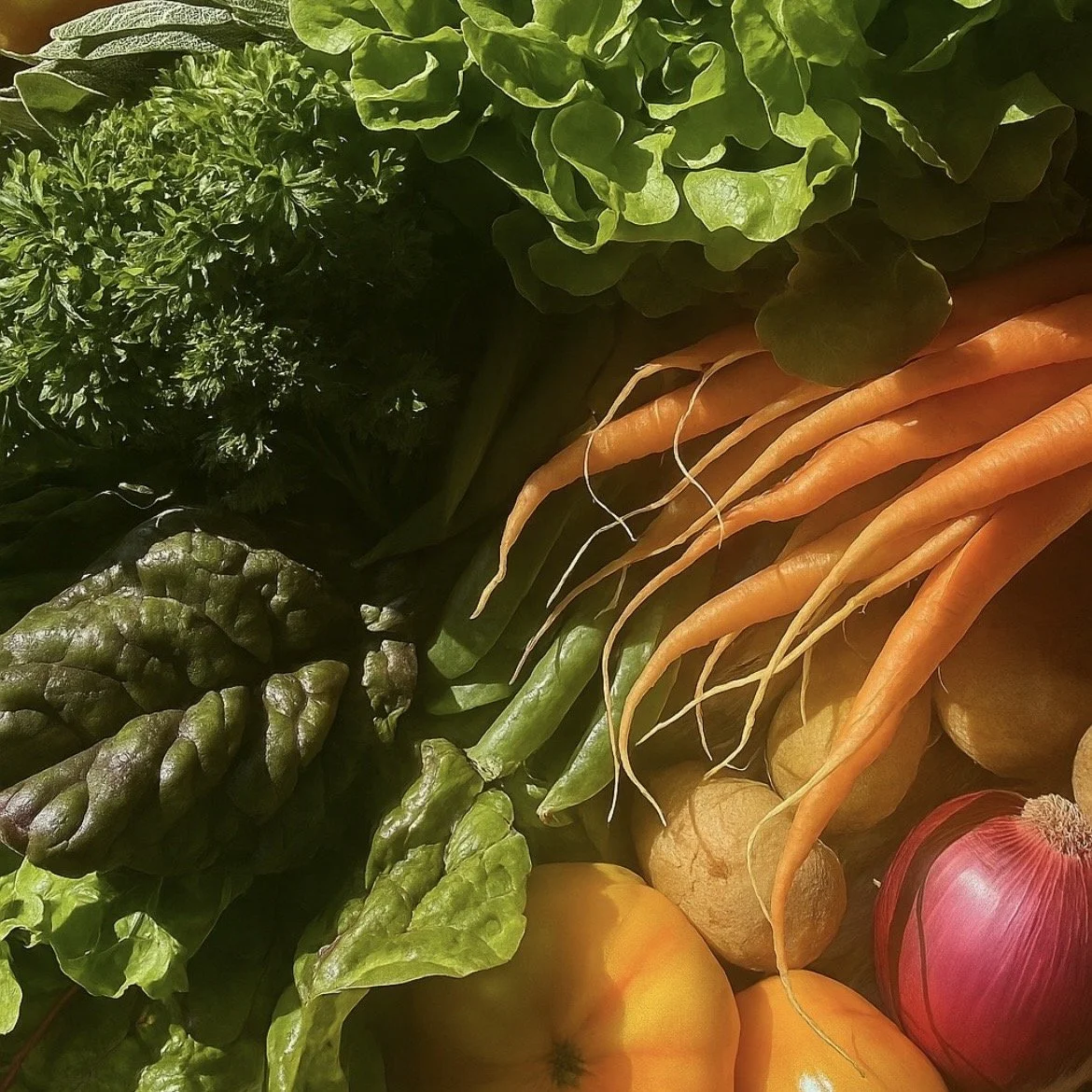
In 2025, we cultivated one-third of an acre of vegetables as a pilot to establish our growing systems, test crop performance, and align production with our culinary needs. Building on those learnings, we are scaling up significantly in 2026, expanding to two acres of production. Our crop plan has been intentionally designed, with a diverse selection of seed starts chosen to directly support and enhance our prepared meals and café menu offerings—prioritizing freshness, seasonality, and product consistency.
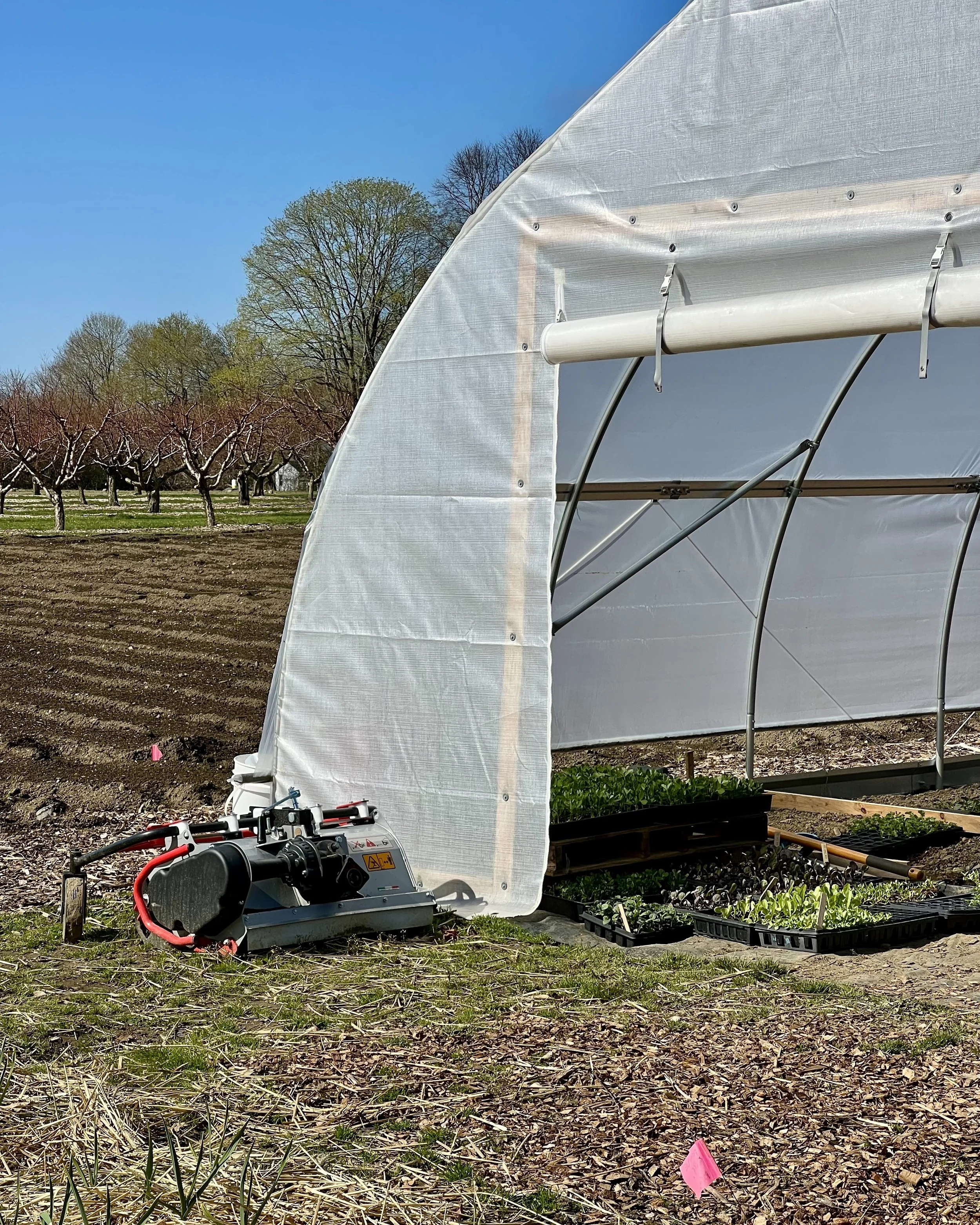
Due to challenging soil conditions, we needed to act quickly and strategically to ensure the land would be viable for the 2026 growing season. This required a proactive and accelerated approach to soil remediation and field preparation. As part of this effort, we:
Invested in a well on property
Cover cropped fields over the winter
Brought in 280 cubic yards of high-quality loam
Installed two hoop houses
We planted 10,000 onions, 5,000 garlic bulbs, and 5,000 shallots this past winter
Flowers
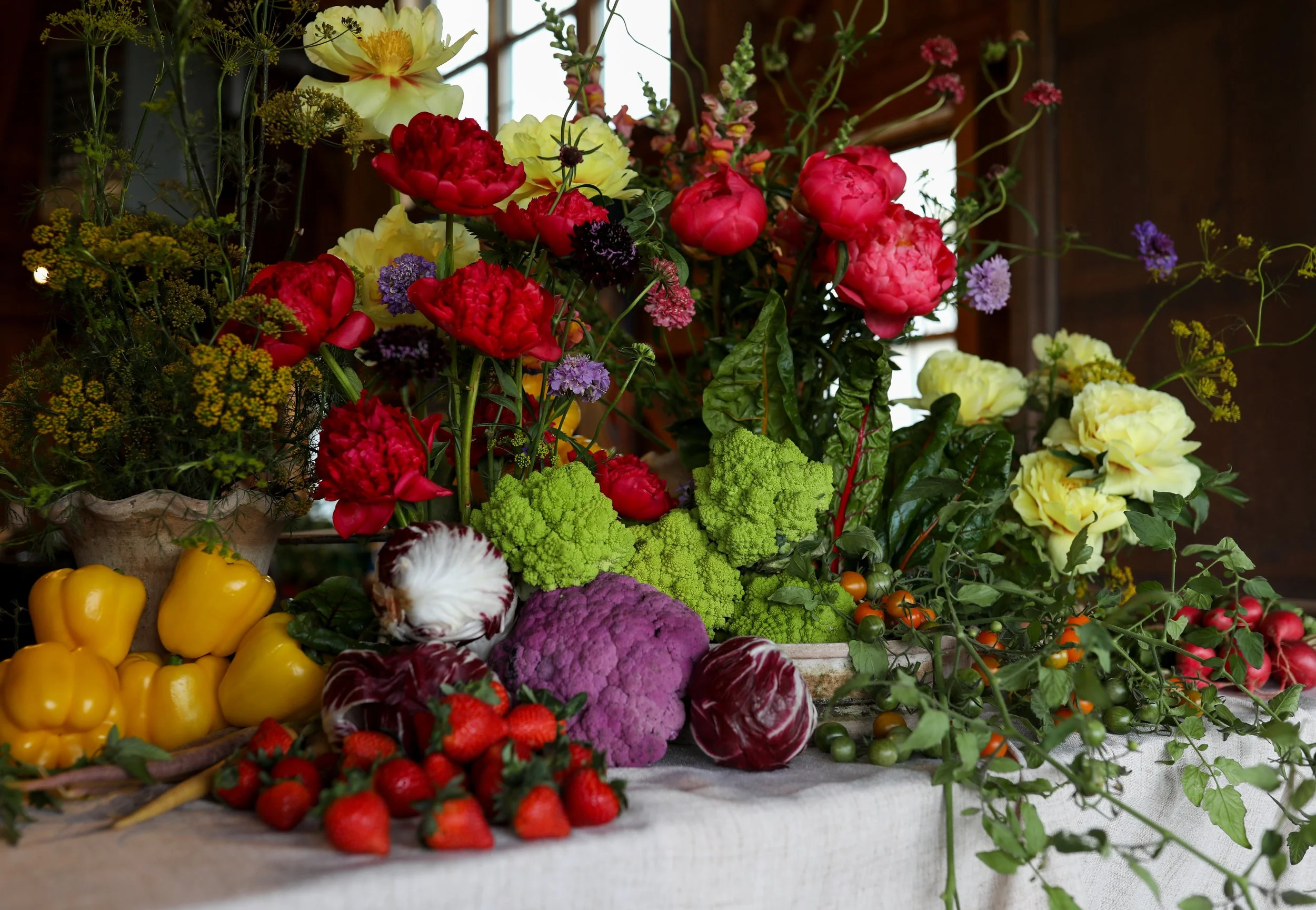
Jill Rizzo of Wild Season Florals and Sarah Amoros of Marigold Rhode have joined the Sweet Berry Farm team to grow our flower program! This season, we will offer an expanded pick your own flower experience, educational opportunities and market bouquets featuring New England farm grown blooms. Arrangements will also be available for special order in our new Sweet Berry Flowers online shop! We are preparing several new fields for cut flower production now and will have a wide variety of our blooms available later this summer.
Chickens
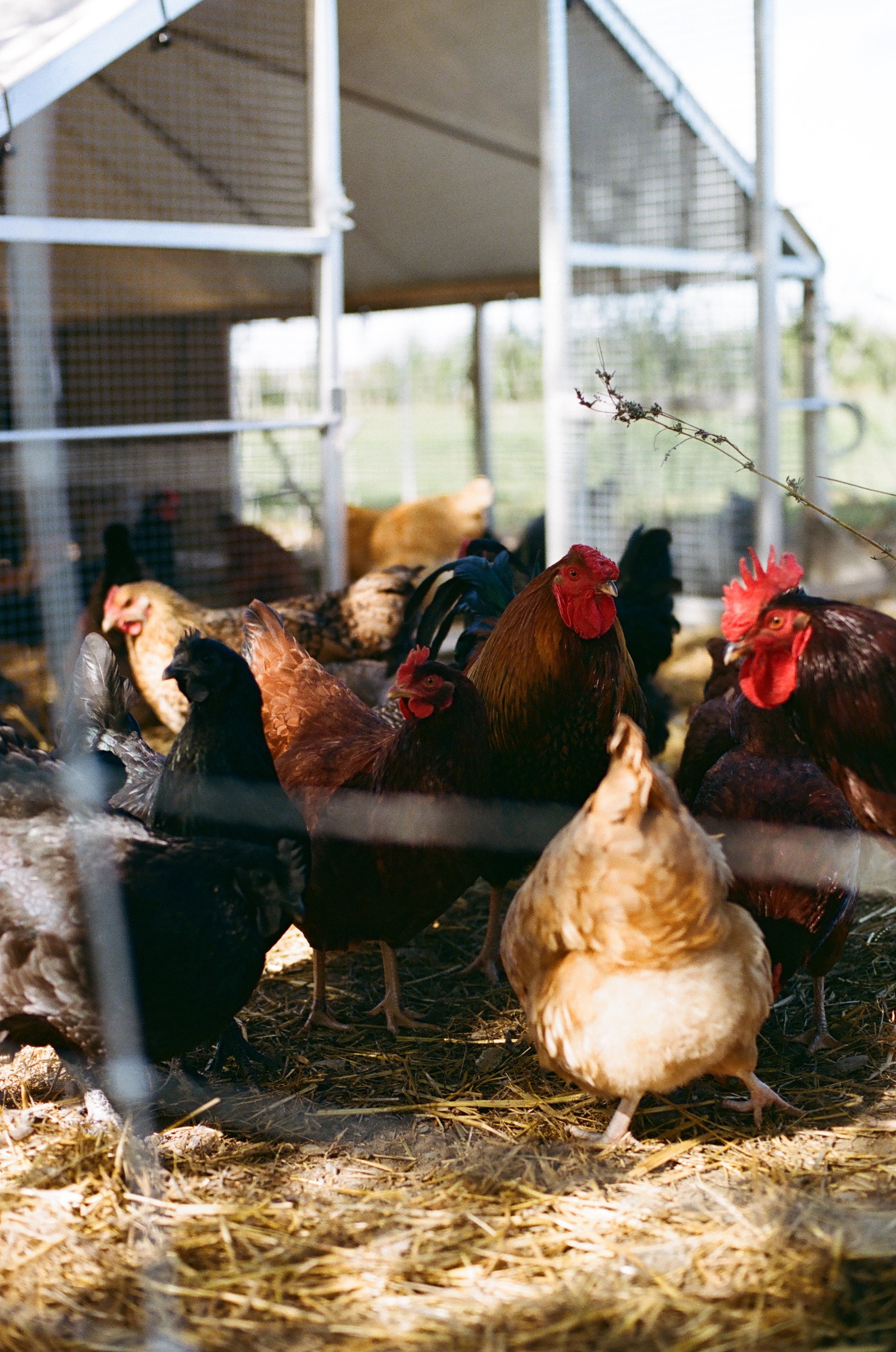
We purchased 100 chickens in 2025 and expect to have 200 chickens on-site in 2026, with a goal of reaching 500 chickens over the next three years.
Chickens play a valuable role in regenerative farming by contributing to soil health, pest control, and overall ecosystem balance.
They naturally fertilize the land with their manure, which is rich in nitrogen and other nutrients that improve soil fertility. As they scratch and peck at the ground, chickens help break up compacted soil and incorporate organic matter, which enhances soil structure and promotes microbial activity.
Chickens are also effective at controlling pests. They eat insects, larvae, and even weed seeds, reducing the need for chemical pesticides and helping maintain a more balanced ecosystem.
Additionally, chickens contribute to farm diversity and productivity by producing eggs, creating another income stream while supporting the regenerative cycle.
Overall, their natural behaviors make chickens a low-input, multifunctional asset in regenerative agriculture systems.
This past winter we donated our eggs to the Martin Luther King center.
Beautifying the Farm
In addition to our farming initiatives, we are actively working to enhance and steward the broader landscape, with a focus on both visual beauty and long-term ecological health. Our approach integrates land restoration, habitat creation, and thoughtful design to ensure the farm evolves as a productive and resilient ecosystem.
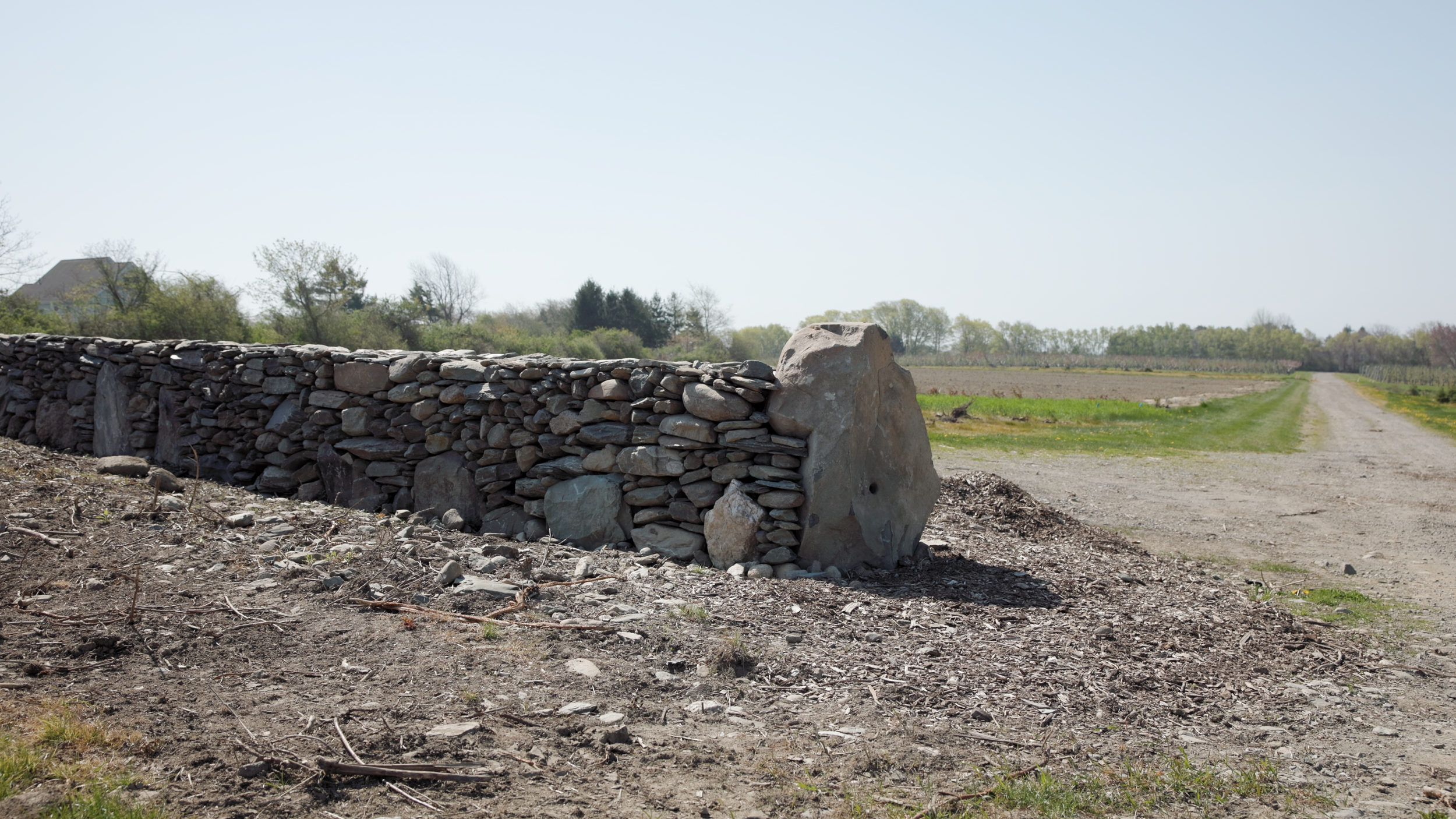
These efforts include restoring historic stone walls to preserve the land’s cultural heritage and reinforce its sense of place, as well as removing invasive species that disrupt native plant communities and diminish ecological balance. In their place, we are reintroducing a diverse range of native plants selected to improve soil health, increase biodiversity, and provide food and shelter for local wildlife.
We are also intentionally creating and expanding habitats that attract and sustain pollinators—such as bees, butterflies, and other beneficial insects—through the establishment of flowering borders, hedgerows, and perennial plantings. These enhancements not only support crop productivity but also contribute to a more dynamic, self-sustaining landscape.
Together, these efforts reflect our commitment to responsible land stewardship—ensuring that the farm remains productive, ecologically vibrant, and deeply connected to its natural and historical context for years to come.
Planning for the Future
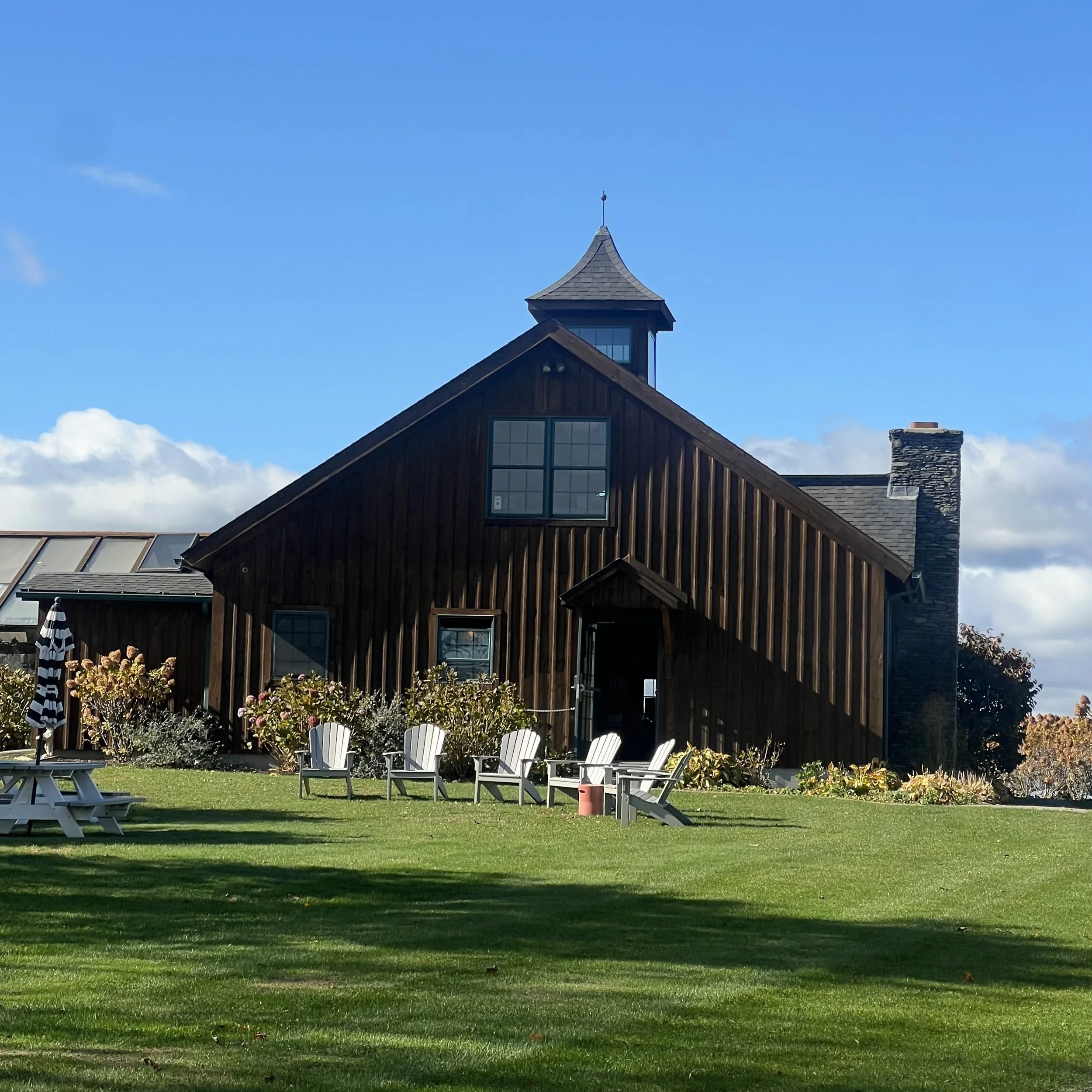
Since purchasing the farm in March 2025, we have been evaluating the infrastructure needed to support Sweet Berry Farm's long-term sustainability. Through that process, we identified several operational needs, including dedicated space for equipment storage, receiving and processing farm products, and other essential agricultural functions that are currently conducted without adequate facilities.
Earlier this year, we submitted a proposal that included new farm-related buildings intended to address these needs. After careful consideration and extensive community feedback, we have chosen to withdraw that submission and take a step back to reevaluate our approach.
Our goal remains unchanged: to ensure Sweet Berry Farm remains a thriving, working farm for generations to come. We recognize the importance of balancing the farm's operational needs with the concerns and priorities of our neighbors and the broader community. Over the coming months, we will continue exploring alternative solutions, including smaller-scale options that can provide the infrastructure necessary to support the farm while preserving the qualities that make this property so special.
We are grateful for the thoughtful feedback, engagement, and support we have received throughout this process. As we move forward, we look forward to continuing the conversation and working toward a path that strengthens both the farm and the community it serves.
Events
We grow food, we welcome people, we celebrate.
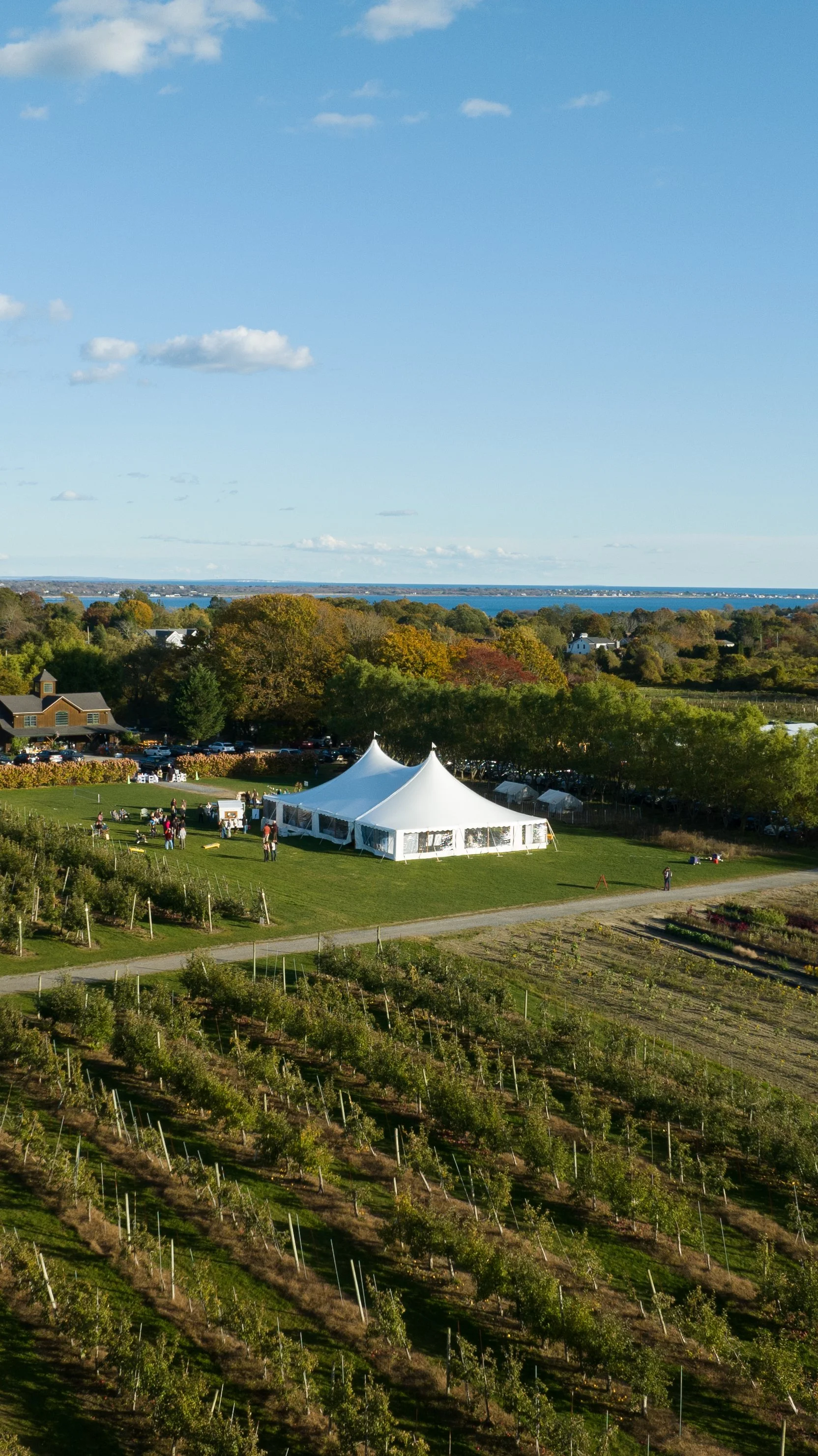
The proposed barn will also provide additional space for events. SBF operates under special use permits that authorize several farm accessory uses, including events held inside and outside of a barn. Historically, SBF has hosted—and will continue to host—a variety of events, including farmers markets, harvest fairs, field trips, occasional live music, arts programming, weddings, and more.
We are committed to hosting events with minimal impact to our farming and market operations and the neighborhood. We will work closely with the Town of Middletown to ensure full compliance of town codes.
We want to give people a place to gather and share the beauty of the farm. Accessory farm uses such as events contribute to the sustainability to the working farm.
We believe that holding events inside a new barn structure will be beneficial to neighbors, as it will reduce the need for outdoor gatherings. We have engaged an acoustic specialist to ensure that we are not only in compliance with town ordinances but also responsive to the needs of our neighbors.
Land Trust Easements
We’ve heard the questions and concerns regarding the Aquidneck Land Trust easement, and we appreciate the community’s engagement. We understand that land trust easements and covenants can be complex and, at times, difficult to interpret.
We will continue to remain in compliance with the conservation easement and look forward to a long and successful partnership with the Aquidneck Land Trust.
Read more about the Land Trust’s role HERE
Conservation Committee
Sweet Berry Farm formally presented our plans to the Town of Middletown Conservation Committee on April 13, 2026.
The Conservation Commission plays a vital role in supporting the environmental health and character of the Town of Middletown. Through its work, the Commission fosters the stewardship and enhancement of the community’s natural resources, safeguards watershed areas, and helps preserve the town’s natural beauty.
In carrying out its responsibilities, the Commission may also advise the Town Council on strategies to better promote, manage, and protect open spaces, waterways, shorelines, woodlands, roadsides, wetlands, marshes, and other areas of ecological and scenic importance.
Our plans were unanimously approved with two recommend conditions.
Utilize permeable material t o the maximum extent practicable i n parking and roadway areas;
. Consider reducing the roadway width from 24 feet t o 2 0 feet where practicable and allowed
Interested in learning more? Follow the link below.
FAQs
20
How much of our land, such as wetlands, is unusable for farming?
1
The wetlands are roughly 8.25 acres. While the wetlands and buffers are not appropriate for farming, habitat restoration/preservation and native plantings would be acceptable practices when submitted for approval. There is no impact to the wetland from the new construction.
How much of the land is used for farming?
2
The Eckharts previously farmed approximately 19 acres; for the 2026 season, we have expanded that to 22 acres. We are committed to steadily increasing the amount of land in cultivation each year, with the goal of significantly expanding our operations.
Our current foot print is 4,593 square feet. We strongly believe that allocating a portion of the property for the new buildings will result in a net positive impact. While this area will be repurposed, the farm includes ample additional acreage that is currently not in production, which can be utilized to expand orchards and support our broader agricultural initiatives.
What is the current building's total square footage?
3
What is the proposed building's square footage?
4
The foot print of the new market and cafe will be:
4,593 square feet (same as current building)
1,808 square feet in green roof
The barn will be 7,495 square feet.
This is a total of 13,986 square feet foot print and 0062% lot coverage of the 51.81 acres of Parcel A.
The lot coverage is .0032% of the total 100 acres.
We strongly believe that allocating a portion of the property for the new buildings will result in a net positive impact. While this area will be repurposed, the farm includes ample additional acreage that is currently not in production, which can be utilized to expand orchards and support our broader agricultural initiatives.
What materials will be used for the new parking lot?
5
The materials for the parking lot and driveway have not yet been finalized. We will collaborate with our consultants, the Town, and the Land Trust to ensure all selections meet applicable guidelines and recommendations.
Why is the current driveway paved?
6
This was at the request of a neighbor years ago due to the dust.
In addition to our current parking lot, we utilize the overflow field for parking that holds 200 cars. We have additional parking along the tree line.
How much parking is onsite?
7
What types of agricultural activities will take place in the barn?
8
Storage for all farming equipment, tools, feed, medication, UV apple pasteurization, processing our eggs, flowers and vegetables, livestock shelter, cleaning, preparing and repairing farm equipment.
Yes! Some events were held under a tent on the overflow field, inside the current market, and on the back lawn.
Has SBF held events in the past?
9
What type of events would our barn allow to host?
10
Farmers markets, harvest fairs, field trips, occasional live music, arts programming, lectures, workshops, demonstrations from professionals and specialists in farm and gardening, including conservation and food literacy. Additionally, it will be hub for local organizations to meet and gather. Families can gather for life events such as baby or bridal showers, retirement parties, graduation parties, celebrations of life and weddings.
How as the location of the new buildings determined?
11
The location gives us the best access to the entry drive and the infrastructure tie ins, electric, water sewer while creating the most opportunities for storm water management, passing heating and cooling and unobstructed solar gains.
It is also a central point on our farm for vehicle and equipment storage. While allowing us to maintain our open gathering field and providing access to our existing buildings that will house our floral and farm administration center.
What if we were to renovate the current buildings?
12
We would need to close for two years to renovate the existing buildings, which would result in laying off more than 80 employees and halting all farming operations. In addition, our barn needs to be adjacent to the café and market for operational purposes, and there is not proper space next our current buildings where a barn would fit.
What will happen to the apple orchard?
13
Our current trees were planted in 2000 and are past their most productive years. Dwarf trees have a life cycle of approximately 15 to 25 years. Our goal is to expand, not reduce, the orchard—from 3,700 trees to between 5,000 and 6,000 trees over the next 5 to 7 years. We have approximately 1,100 new trees are scheduled for delivery in May 2026.
What will happen to the apple drops?
14
Historically our apple drops have been sold to Newport Vineyards. Our new barn will hold a new UV pasteurization equipment that we will utilize to make apple cider.
The Hagerty family purchased the farm in 2025. SB Farm LLC is a single member LLC. It is solely owned by Mr. Hagerty. Although they currently reside primarily in the Boston area while their daughter completes high school, they have been part of the Middletown community for the past 25 years. Kate Fay was brought on to oversee the day to day operations of the farm. Kate has been a Aquidneck Island resident since 1999. She currently resides in Portsmouth with her husband.
What will happen to the blueberry and raspberry bushes, and the peach trees?
15
We will continue to replace any declining plantings and may also expand overall production where appropriate.
We are working to remove invasive species that threaten native plant communities and disrupt ecological balance. In their place, we are reintroducing a wide variety of native plant species chosen to enhance soil health, increase biodiversity, and provide critical food and habitat for local wildlife.
We are also thoughtfully expanding habitats that support pollinators—including bees, butterflies, and other beneficial insects—through the creation of flowering borders, hedgerows, and perennial plantings. These improvements not only help sustain agricultural productivity but also foster a healthier, more resilient, and self-sustaining landscape.
What about the polinators?
16
17
Who owns and runs Sweet Berry Farm?
How many employees do we have on our team?
At its peak, we employee 80 team members.
Why did the Hagerty’s purchase the farm?
18
When they learned the farm was for sale, they became committed to preserving it for the next 30, 40, or even 50 years. After meeting Jan and Michelle, there was a shared sense that the Hagertys were the right stewards to carry forward its legacy.
Has SBF been in contact with abutters?
19
Yes. Beginning in March 2026, we reached out to abutters using the list provided by the Town and sent a letter inviting them to meet with us to discuss the project. We met with several neighbors in person and over Zoom to present our plans. We are waiting to hear back on our proposed compromises to a select group of neighbors.
We are happy to discuss the farm further with you. Feel free to email Kate Fay at kfay@sweetberryri.com.
Have more questions for us?
Visiting The Farm
While our fields are closed to the public except for designated picking areas, we welcome you to stop by to speak with us directly and, when possible, tour the farm with us.
To schedule a tour, please email Kate Fay at kfay@sweetberryri.com.