Regenerative Farming guides how we care for the land at Sweet Berry Farm
What Is Regenerative Agriculture?
Regenerative agriculture is about working with nature rather than against it. While sustainability focuses on maintaining what we have, regenerative farming goes a step further—it aims to restore and improve the land so it becomes healthier over time.
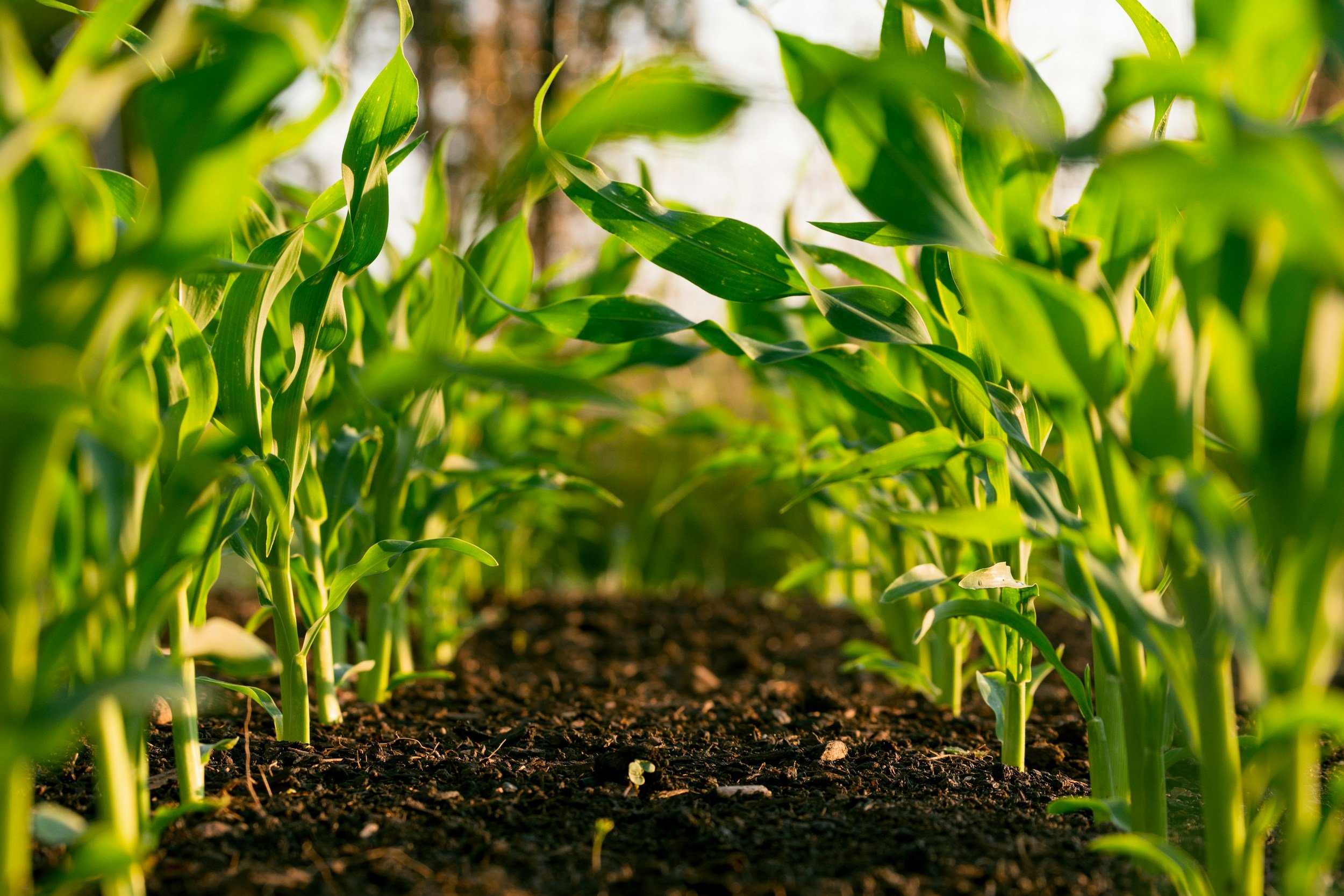
At its core, regenerative agriculture focuses on rebuilding soil health and restoring natural ecosystems through thoughtful land management. Practices such as no-till planting, adaptive grazing, and reducing or eliminating synthetic fertilizers and pesticides help strengthen soil biology, increase biodiversity, and create a more resilient farm system.
Why Regenerative Agriculture?
The way most of the world currently produces food has placed enormous strain on our planet. Over time, conventional agricultural practices have contributed to the loss of topsoil, reduced biodiversity, habitat destruction, and pollution of our air and waterways.
At Sweet Berry Farm, we believe agriculture can—and should—be part of the solution.
Regenerative farming focuses on restoring soil health and supporting the natural ecosystems that allow farms to thrive long into the future. By working in alignment with nature, these practices help move carbon from the atmosphere back into the soil, rebuild organic matter, and create healthier, more resilient farmland.
For us, regenerative agriculture is about stewardship. It means caring for the land today in a way that allows it to remain productive, vibrant, and full of life for generations to come.
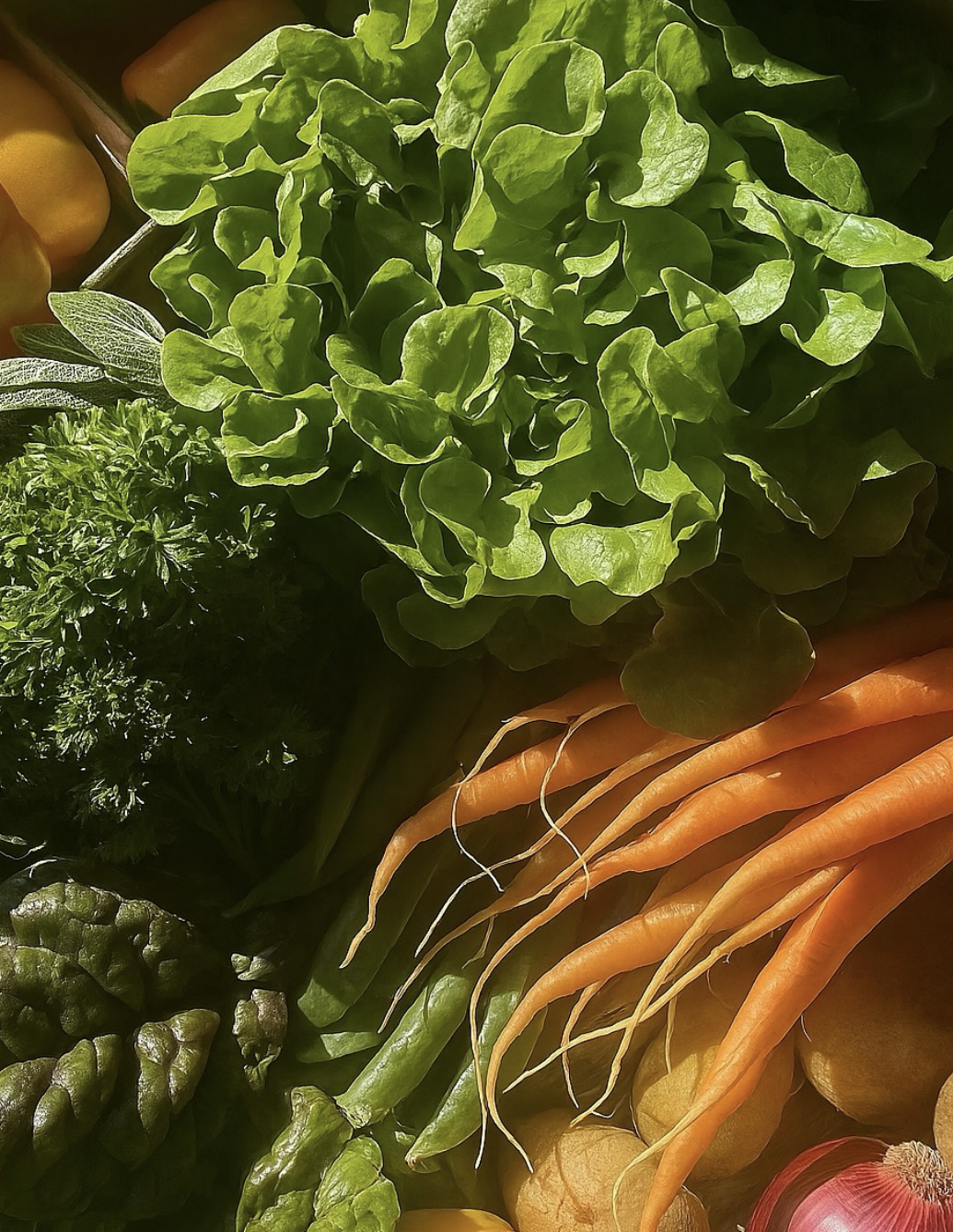
Regenerative Farming at Sweet Berry Farm
Regenerative Farming Practices
-
![]()
Building Healthy Soil
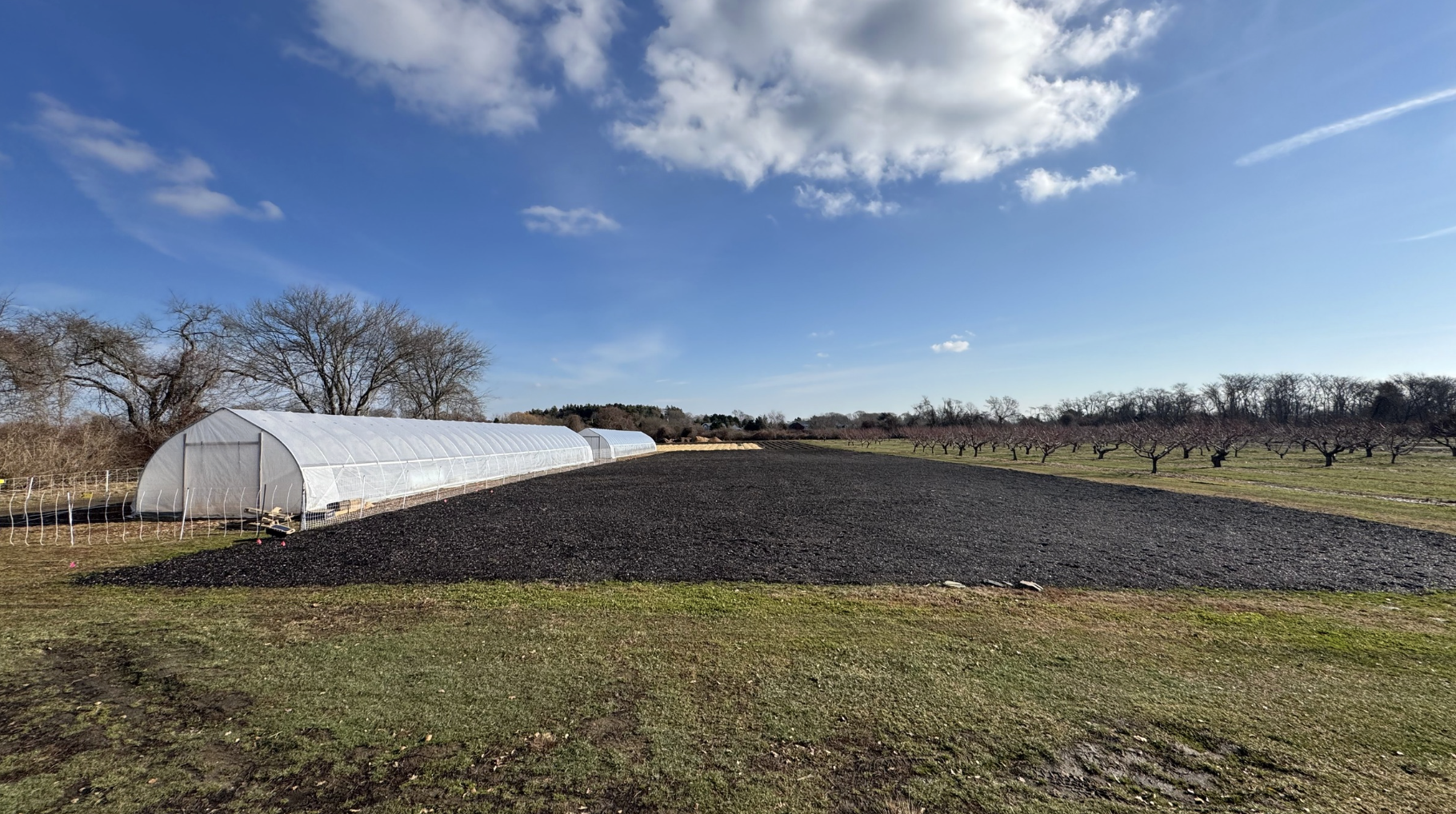
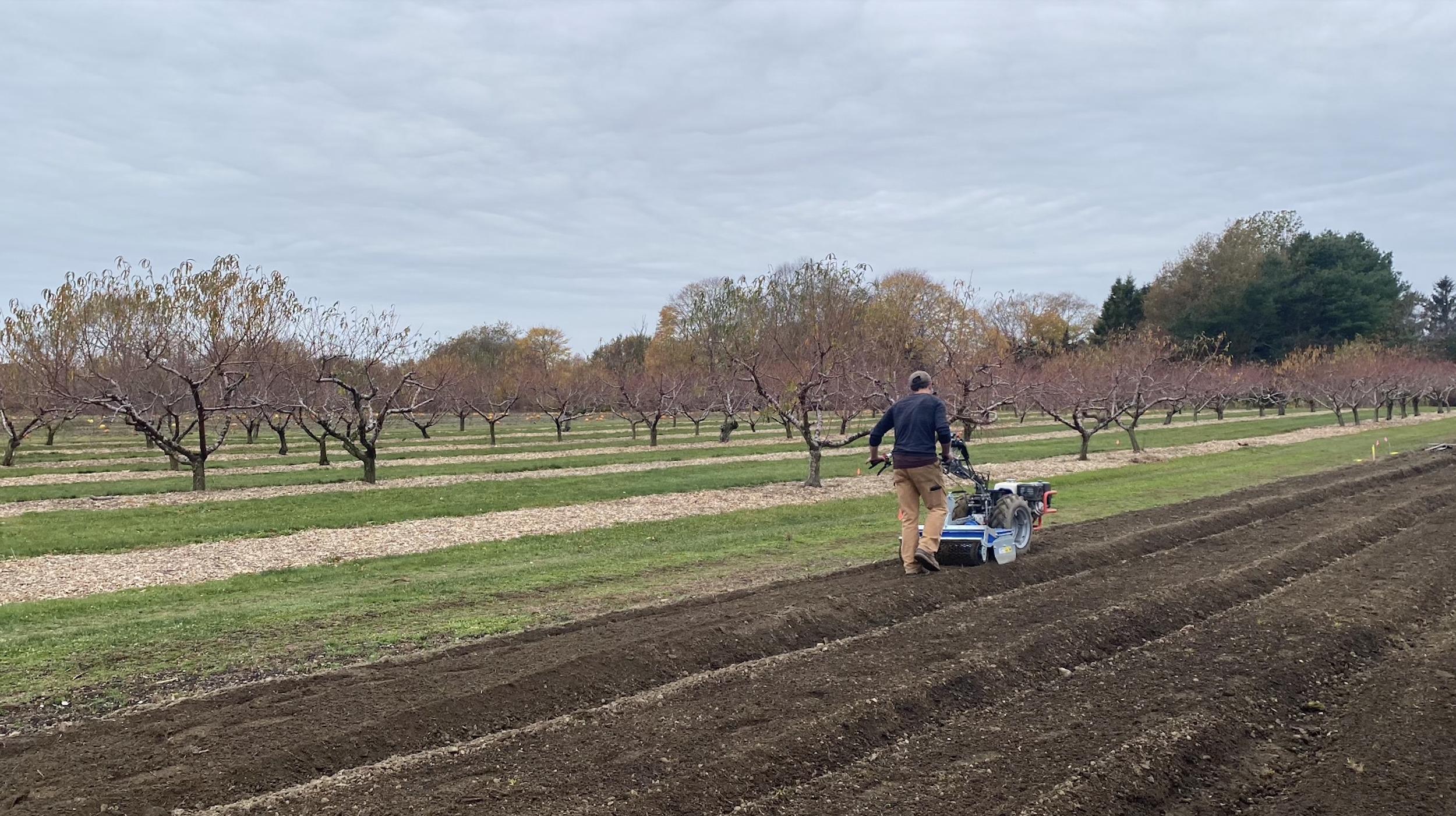
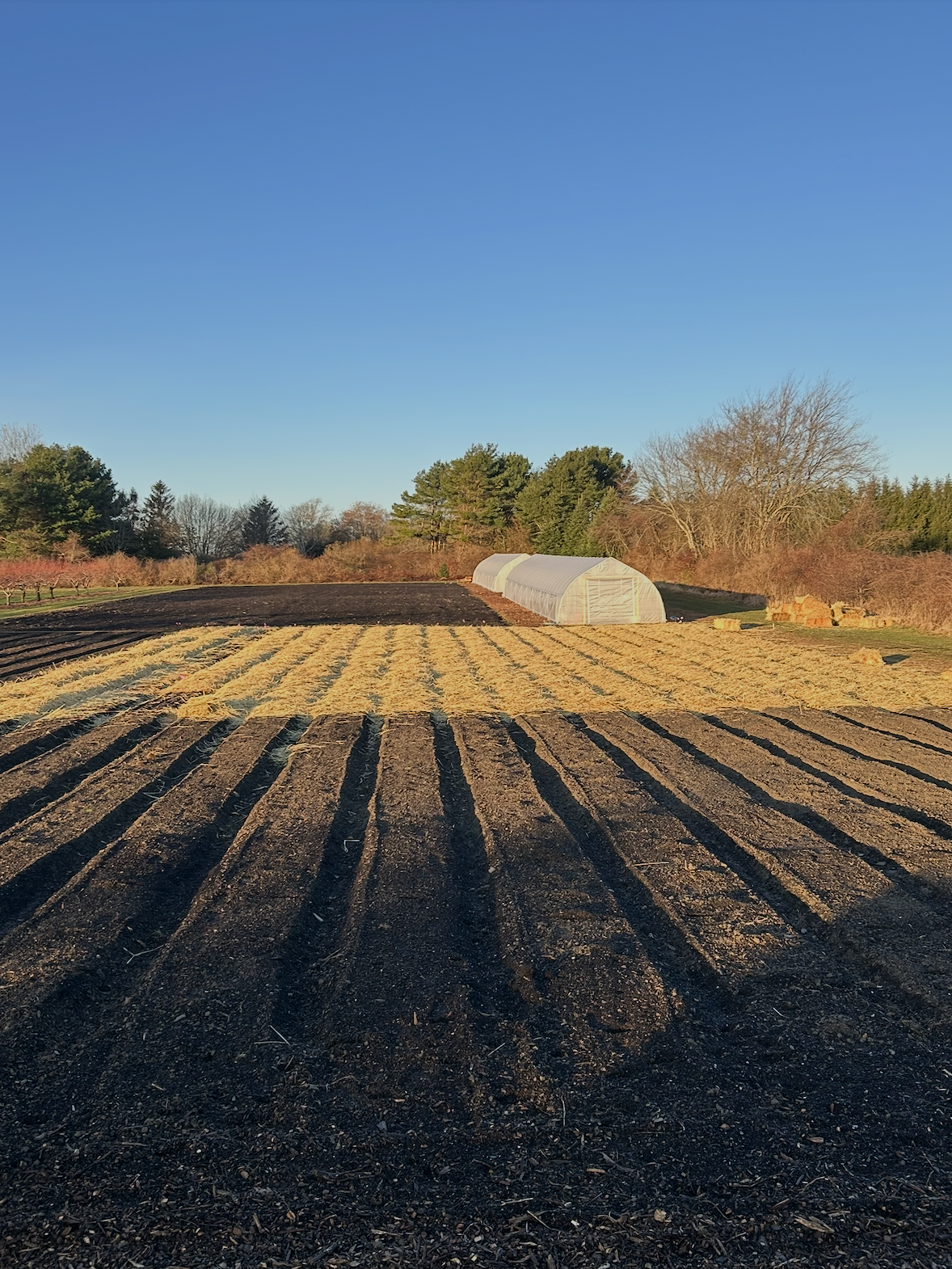
In the Borges Fields, we are developing new no-till vegetable beds and high tunnels designed to improve soil structure and encourage beneficial soil biology. Large applications of nutrient-rich compost help rebuild organic matter in the soil, creating a healthier foundation for growing crops like garlic, onions, and shallots.
-
![]()
Chickens as Land Stewards
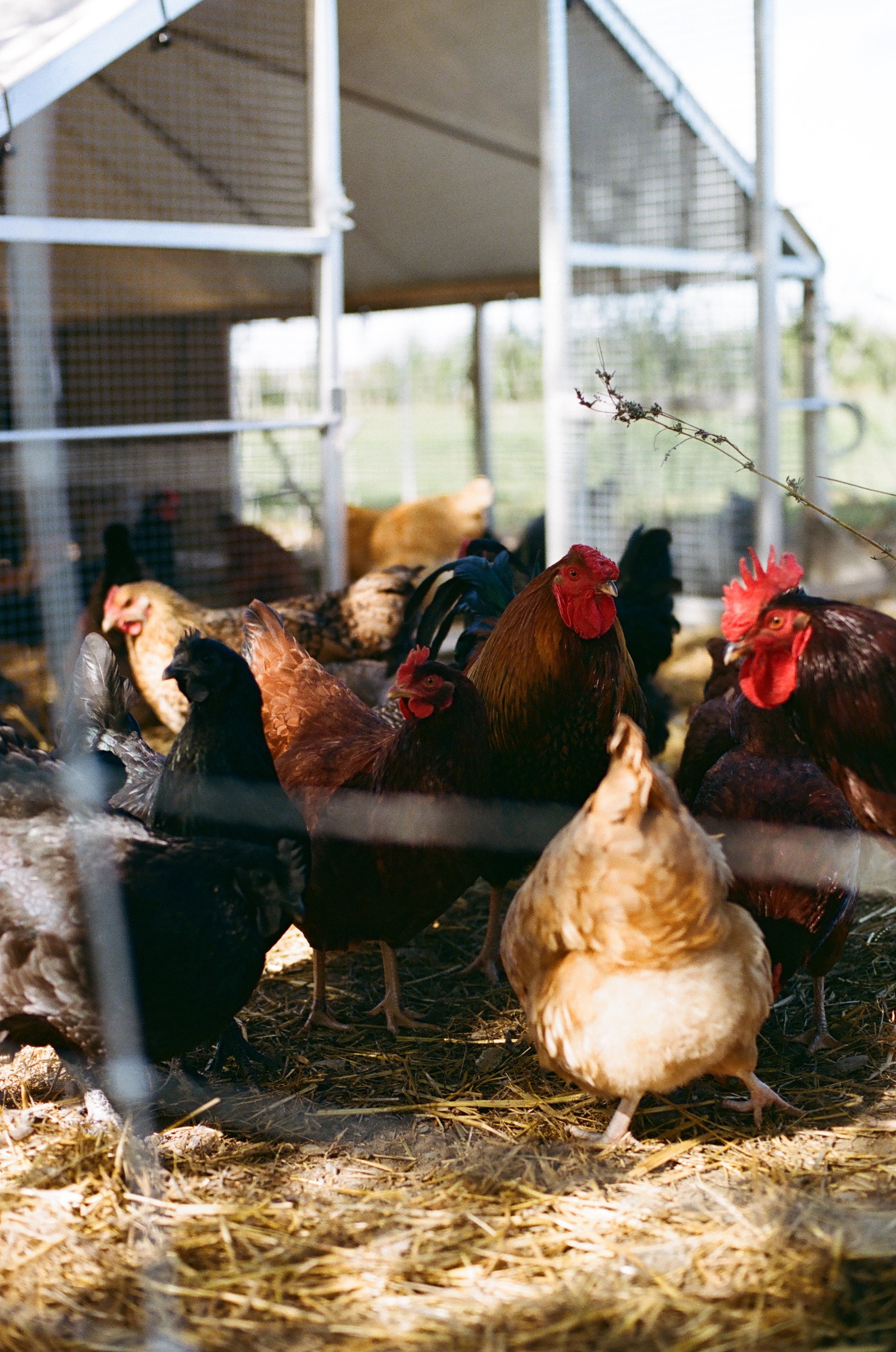
Our 70+ flock of chickens plays an important role in preparing fields for future planting. During the winter months, they rotate through tunnels and fields using a deep litter method that naturally fertilizes and conditions the soil. Their movement helps distribute nutrients while reducing the need for synthetic fertilizers.
-
![]()
Cover Crops & Resting Fields
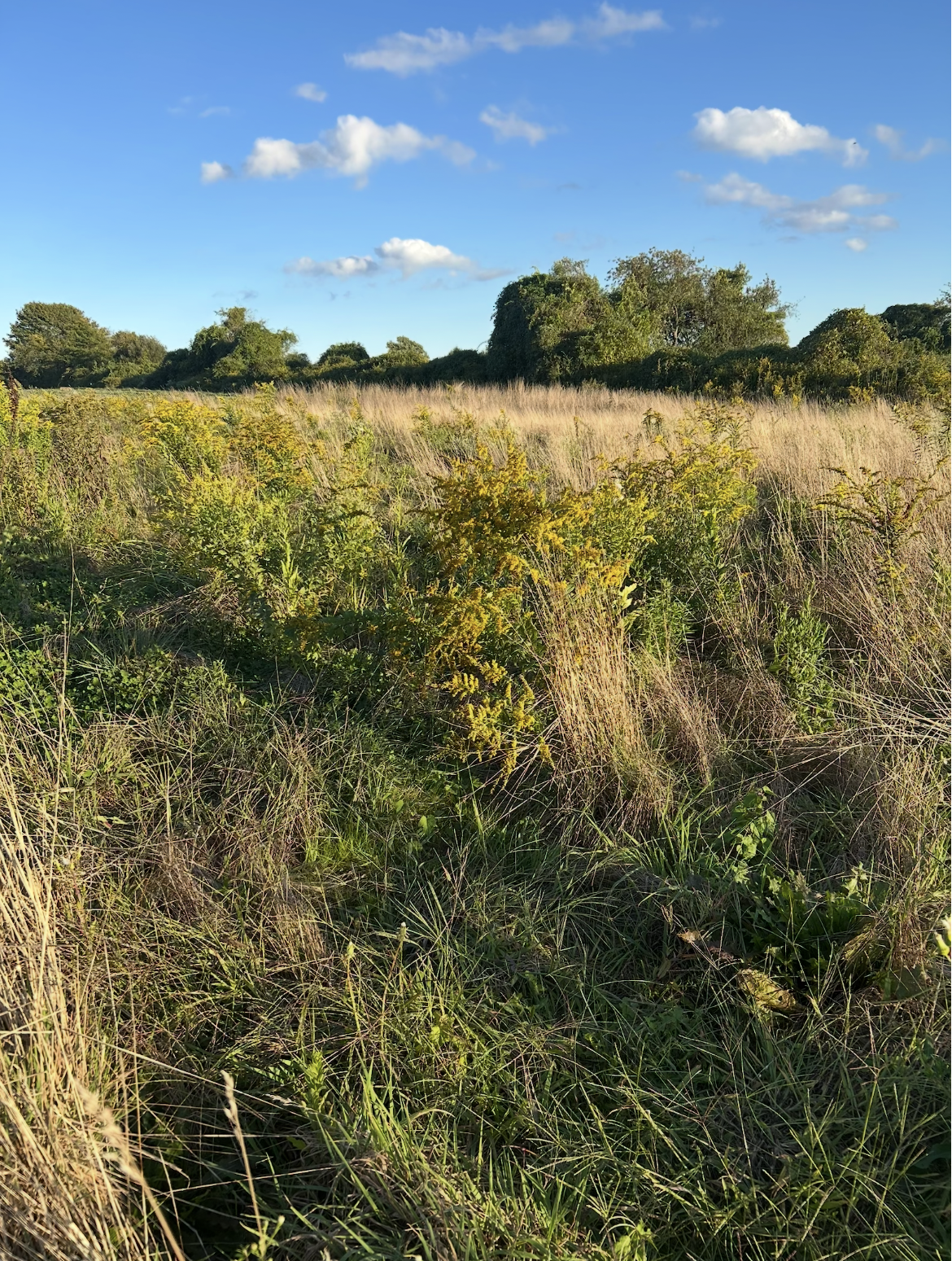
Many of our fields spend part of the year planted with cover crop blends rather than food crops. These plants protect the soil from erosion, improve soil structure, and return nutrients like nitrogen back into the ground while the fields rest between growing cycles.
-
![]()
Thoughtful Crop Rotation
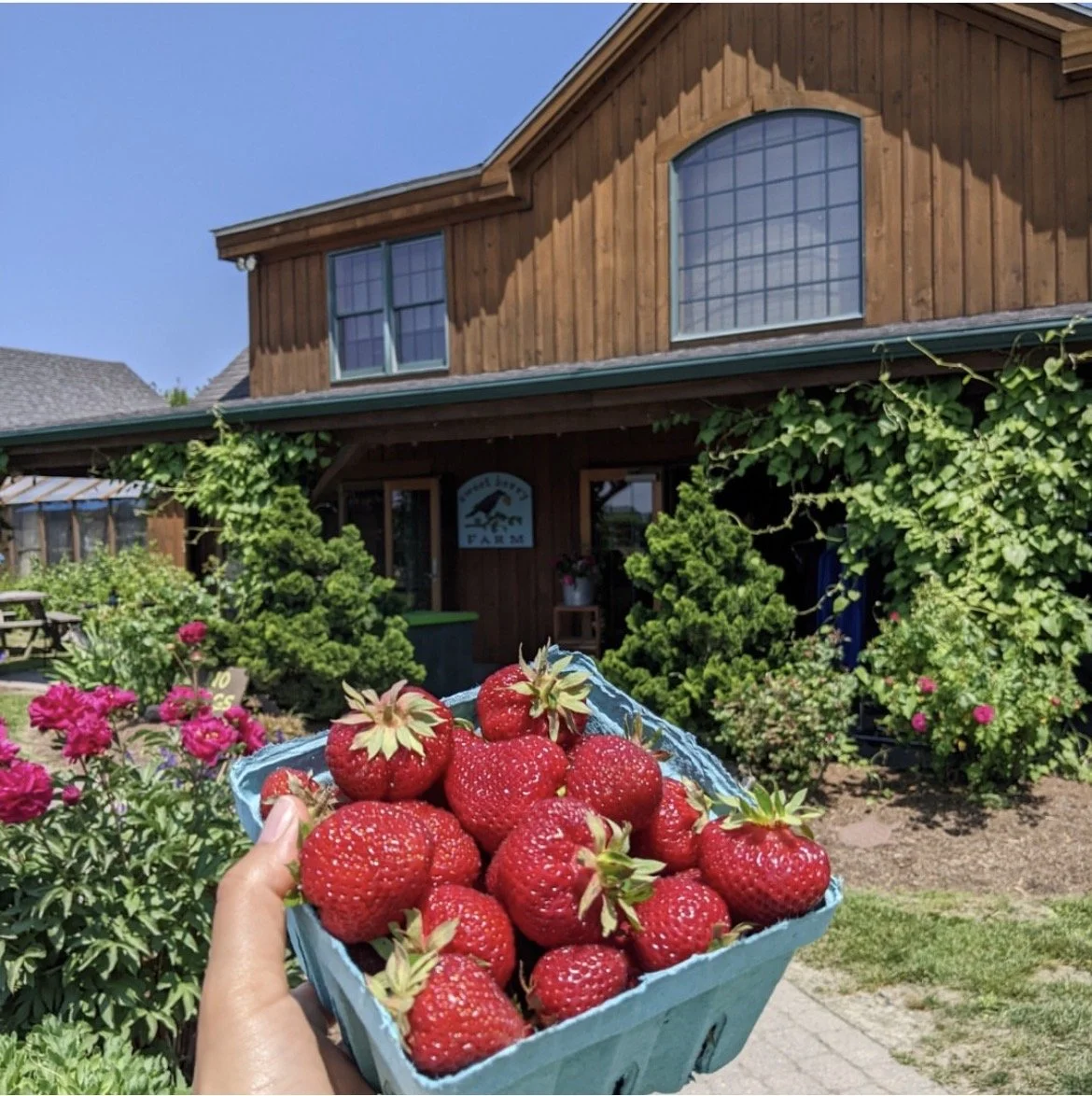
Certain crops, including our pick-your-own strawberries, are grown on multi-year cycles that allow the soil to recover between plantings. Straw mulch protects the plants through the winter months while helping maintain soil moisture and reduce weed pressure.
-
![]()
Orchard Stewardship & Future Food Forests
Within our orchards, wood chip mulch helps suppress weeds naturally and reduce reliance on herbicides. Over time, we are introducing native trees and companion plantings that will support pollinators, improve biodiversity, and begin to transform parts of the farm into an educational food forest experience.
-
![]()
Compost & Circular Systems
Composting is an essential part of our regenerative approach. Organic materials are returned to the soil to restore nutrients and support microbial life. By recycling resources produced on the farm, we are working toward a more closed-loop system that continually feeds and strengthens the land.
Regenerative Farming Practices
We farm in a way that improves the soil each season, building resilience against erosion, runoff, and long-term depletion.
Our regenerative practices go beyond sustainability—we are actively working to restore soil health and increase biodiversity across the farm.
Healthy soil produces more nutrient-dense food and the kind of flavor only truly fresh produce can offer.
Through integrated pest management and natural growing methods, we minimize disease pressure while reducing reliance on synthetic inputs.
Our goal is to help build a model for the future of agriculture—one that shows farming can restore ecosystems while feeding communities.
Seasonality & Local Food
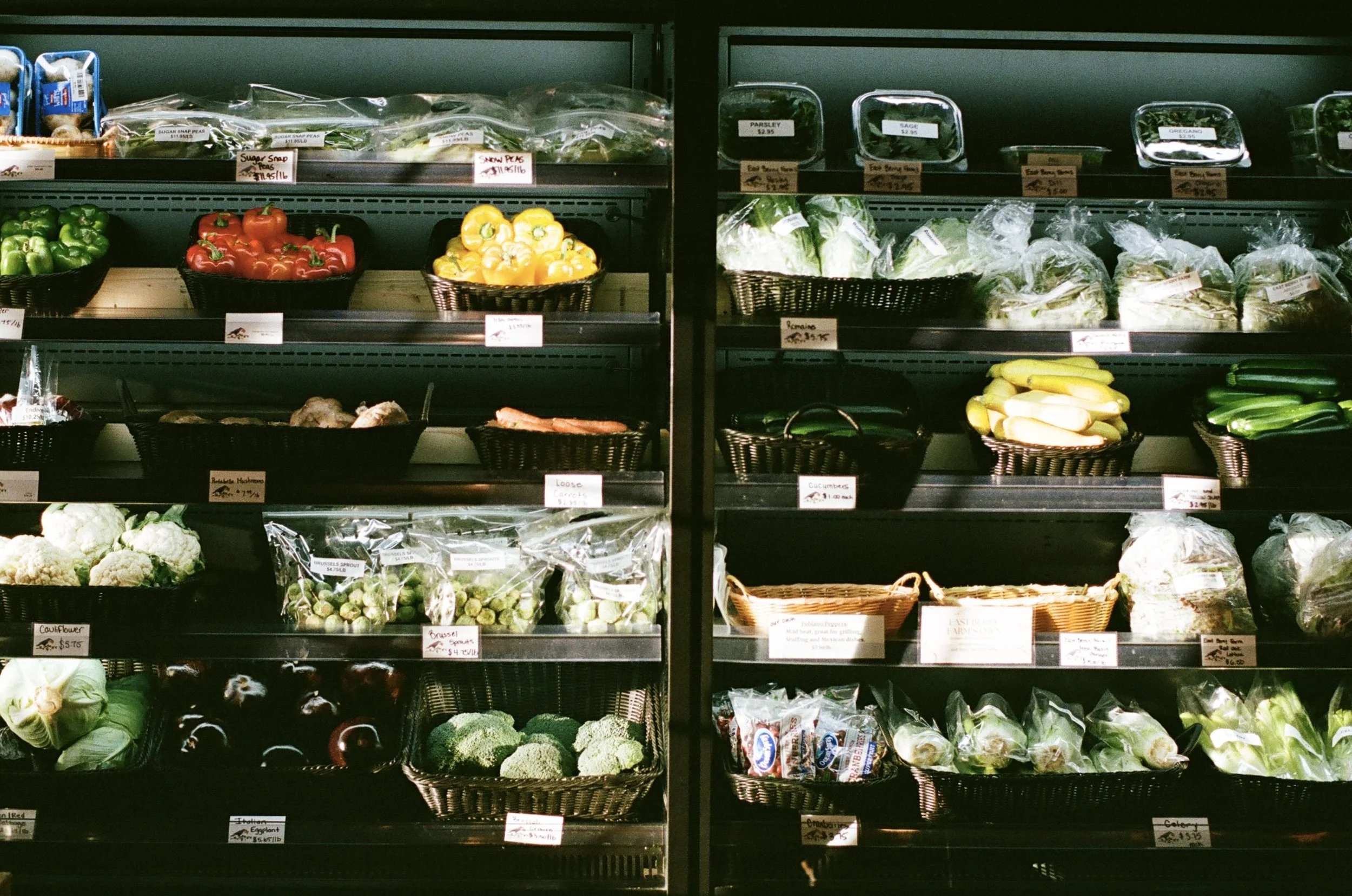
We grow what thrives here, when it naturally thrives here—that’s where real flavor comes from.
Eating seasonally reconnects us with the rhythms of the land. Strawberries in June taste sweeter because you’ve waited for them.
Seasonal growing reduces our environmental impact while providing fresher, more flavorful food.
When something isn’t in season, we don’t force it—we offer what the land is ready to give.
Produce harvested that morning simply tastes different from food that has traveled hundreds of miles to reach your plate.
Want to Learn More?
Regenerative agriculture is an evolving movement, and there’s always more to discover about how farming can work in harmony with nature. If you're interested in exploring the topic further, two documentaries our team loves are a great place to start:
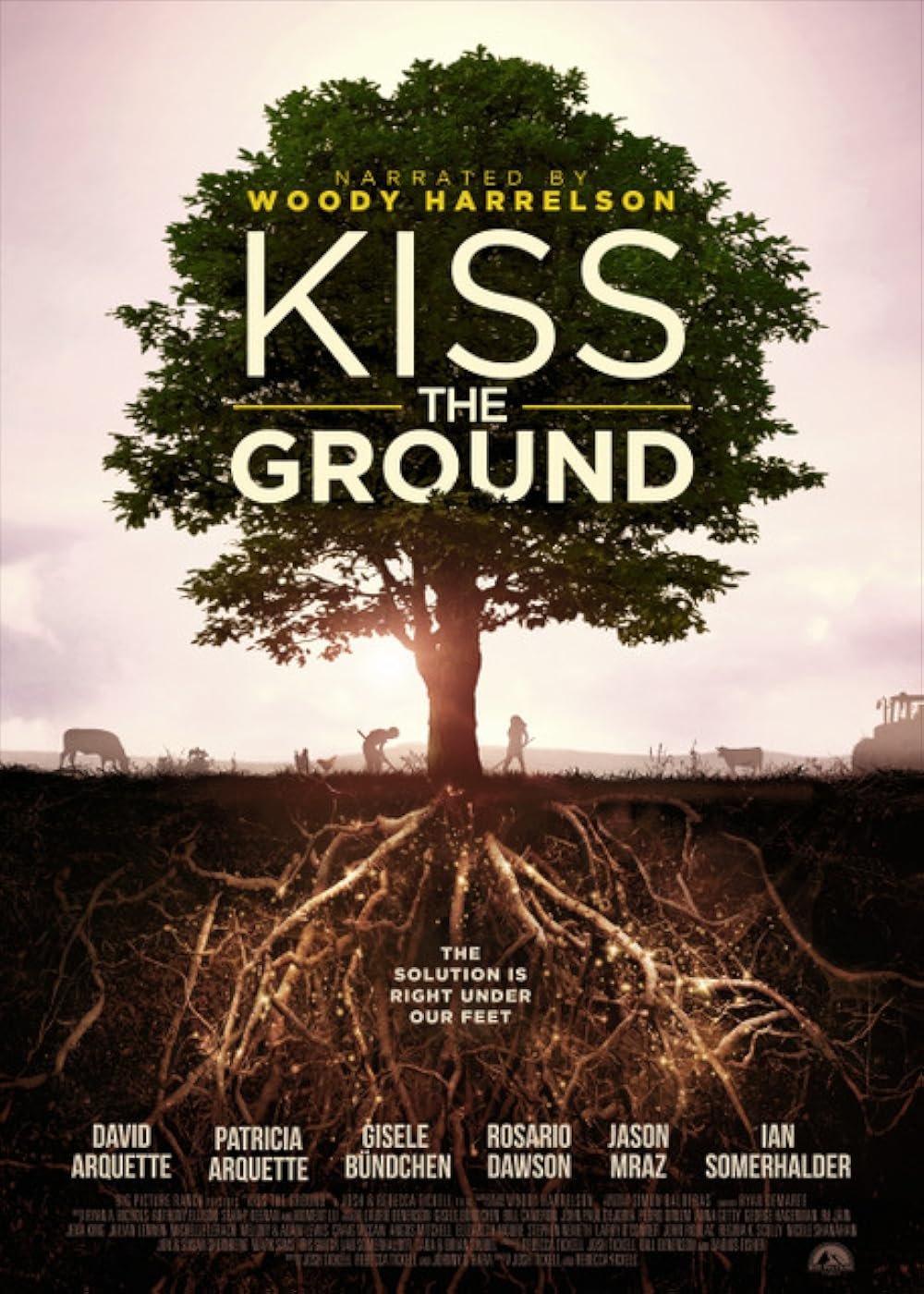
Kiss the Ground — This film explores how rebuilding soil health through regenerative farming practices can help restore ecosystems and address climate change.
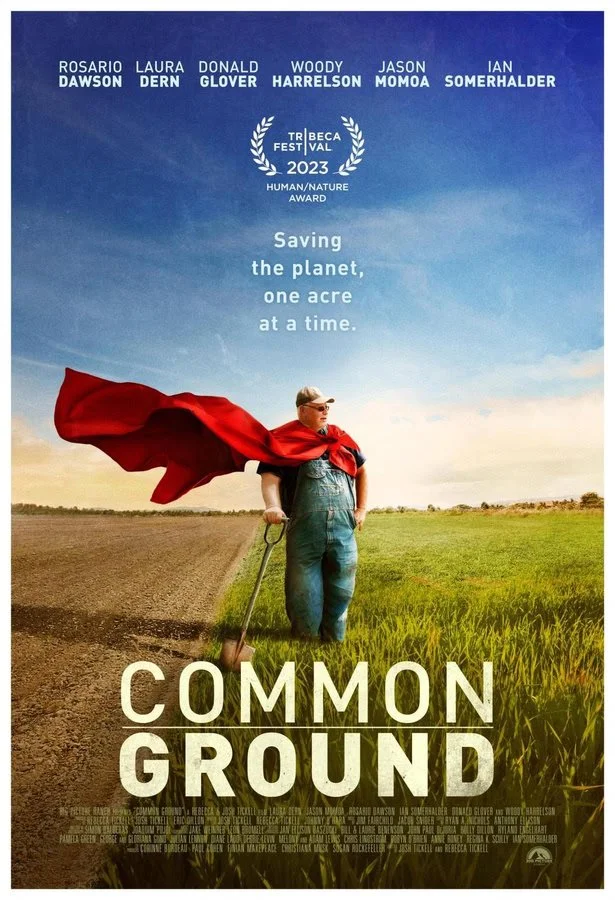
Common Ground — A follow-up to Kiss the Ground, this documentary dives deeper into the farmers, scientists, and advocates working to transform our food system through regenerative agriculture.
These films offer an inspiring look at how agriculture can become part of the solution for our planet.